


“Rs. 250 Million Approved for Classroom Expansion in Government Schools”
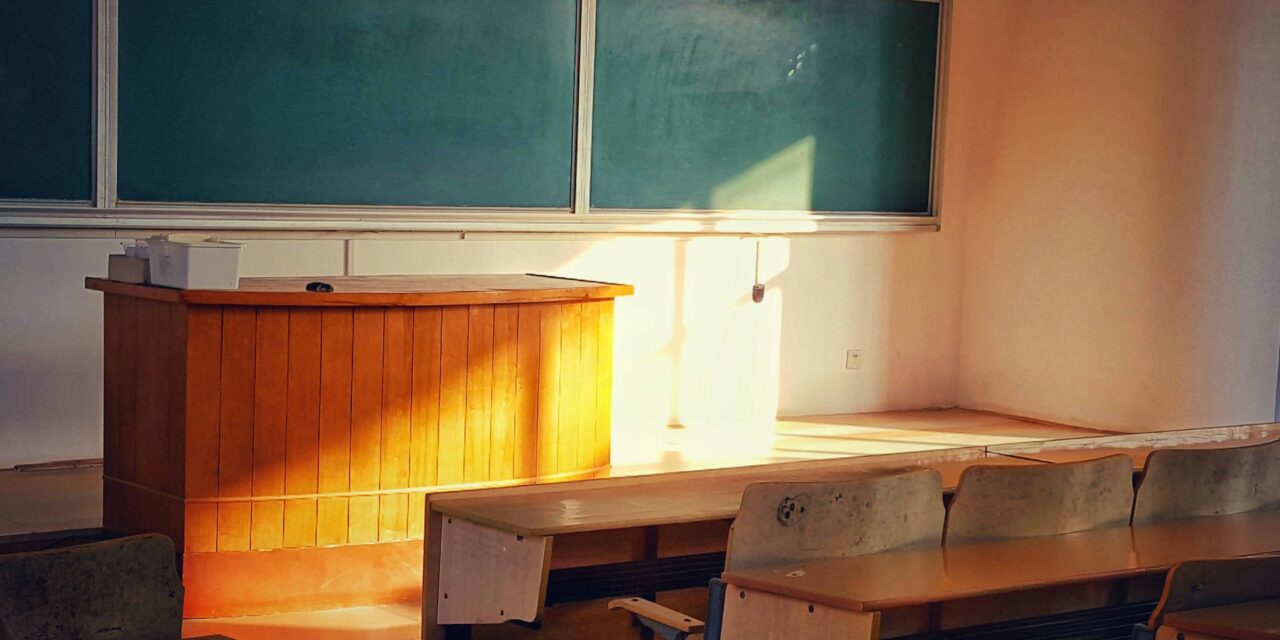
In a significant move toward improving the quality of education and addressing the challenge of overcrowded classrooms, the Punjab government has allocated Rs. 250 million for the construction of new classrooms across public schools in the province. This budgetary decision, announced under the Annual Development Programme (ADP) 2024–2025, reflects the government’s renewed commitment to strengthening the foundational infrastructure of the education sector.
Punjab, home to more than 52 million people, has one of the largest public school networks in Pakistan, with over 52,000 schools spread across urban and rural areas. While enrollment numbers have steadily increased over the years due to various campaigns and incentives, many schools continue to face severe space constraints, resulting in overcrowded classrooms, reduced student engagement, and lower academic performance.

The Need for More Classrooms: A Persistent Challenge
Over the past decade, Pakistan’s education system has made considerable strides in increasing access. However, infrastructure development has often lagged behind enrollment growth. In Punjab, this gap has become especially evident in:
-
High-enrollment districts such as Lahore, Faisalabad, Gujranwala, Multan, and Rawalpindi.
-
Rural and peri-urban areas, where population growth has outpaced school expansion.
-
Girls’ schools, which often face limited space despite increasing demand.
In many cases, classrooms that were designed to accommodate 30–35 students now hold 50 or more, leading to:
-
Teacher burnout and inefficiency
-
Limited student-teacher interaction
-
Poor classroom management
-
Inadequate learning outcomes
By allocating Rs. 250 million for the construction of new classrooms, the government is addressing not just a logistical issue but a core educational quality concern.
Key Details of the Allocation
According to the Punjab Education Department and Planning & Development Board, the Rs. 250 million will be used as follows:
-
Construction of new classrooms in already established primary, middle, and high schools.
-
Prioritization of high-need areas, based on student-teacher ratio, enrollment demand, and existing infrastructure.
-
Focus on climate-resilient and student-friendly designs, including ventilation, lighting, and sanitation facilities.
-
Community and local government involvement in monitoring construction progress.
The funds are part of a broader education development initiative that also includes teacher training, digitization, furniture provision, and curriculum improvements.
Expected Outcomes
This classroom construction drive is expected to bring multiple short- and long-term benefits for the education sector in Punjab:
1. Reduced Overcrowding
The most immediate benefit will be smaller class sizes, which research consistently links to better learning outcomes. Students will benefit from more personalized attention and improved concentration levels.
2. Increased Enrollment
New classrooms in underserved areas will encourage more parents to enroll their children, particularly girls, who often drop out due to inadequate space or shared classrooms with boys.
3. Teacher Efficiency
With more space and less noise, teachers will find it easier to manage classes, conduct group activities, and use innovative teaching methods.
4. Safer Learning Environments
Modern classroom design will incorporate emergency exits, proper lighting, clean drinking water, and washrooms, improving the health and safety standards in schools.
5. Boost to Local Employment
Construction projects will generate jobs for local laborers, contractors, engineers, and suppliers, creating a ripple effect in the local economy.
@rehanrr125 Chemistry Paper Of 8th Class Student Sajawal Abbas 🌺 #Papers #exams #exams #schools #Kids #kurram #educationalvideo #schools #schooldays #parachinar #Schooltheory #theory #chemistry ♬ orijinal ses – Retro Azerbaijan 🎼
Equity and Inclusion Focus
One notable aspect of the new initiative is its emphasis on equity and inclusivity. A significant portion of the new classrooms will be built in:
-
Girls’ schools in rural districts, to reduce dropout rates.
-
Schools in underdeveloped areas like South Punjab (e.g., Dera Ghazi Khan, Bahawalpur, Rajanpur).
-
Inclusive education centers to support children with special needs.
By focusing on marginalized communities, the Punjab government is aligning with Sustainable Development Goal 4 (SDG-4): ensuring inclusive and equitable quality education for all.
Government Statements and Public Response
Punjab’s Education Minister, during a press briefing, said:
“This is not just about bricks and mortar. Building classrooms means building futures. We are investing where it matters most — in our children and their learning spaces.”
The announcement has been welcomed by educationists, NGOs, and civil society groups. However, many have also urged the government to ensure transparency, timely implementation, and regular monitoring.
An education expert from Lahore commented:
“Allocating funds is the first step. Effective delivery, quality construction, and accountability mechanisms are what will make this initiative truly successful.”
Lessons from Past Projects
Punjab has previously undertaken similar infrastructure projects with mixed success:
-
The School Education Reforms Programme (SERP) launched in collaboration with international donors helped construct classrooms in the early 2010s but faced delays and budget overruns.
-
More recently, the Punjab Education Sector Plan (PESP) emphasized public-private partnerships and community-based monitoring, which improved outcomes.
The current Rs. 250 million initiative is expected to leverage lessons learned from past efforts, using better procurement systems, digital progress tracking, and third-party evaluations to avoid delays or substandard construction.
Involving Communities and Teachers
An important factor in the success of this initiative will be stakeholder engagement. Teachers, school heads, and Parent-Teacher Councils (PTCs) are expected to:
-
Help identify where additional classrooms are most needed
-
Monitor construction timelines and quality
-
Ensure new spaces are used efficiently and responsibly
Some districts have already started community consultations and school-level needs assessments, which will guide the final implementation plan.
Looking Ahead: A Brighter Future for Education
While Rs. 250 million may only scratch the surface of Pakistan’s vast educational infrastructure needs, it represents a strategic and symbolic investment — signaling that the Punjab government is serious about solving problems from the ground up.
If the initiative is successfully implemented, it could lay the groundwork for:
-
Larger education infrastructure budgets in future fiscal years
-
Expansion into full school reconstruction in disaster-prone areas
-
Integrated smart classrooms equipped with digital learning tools