



“Islamabad Launches High-Tech Traffic Monitoring with Drones”
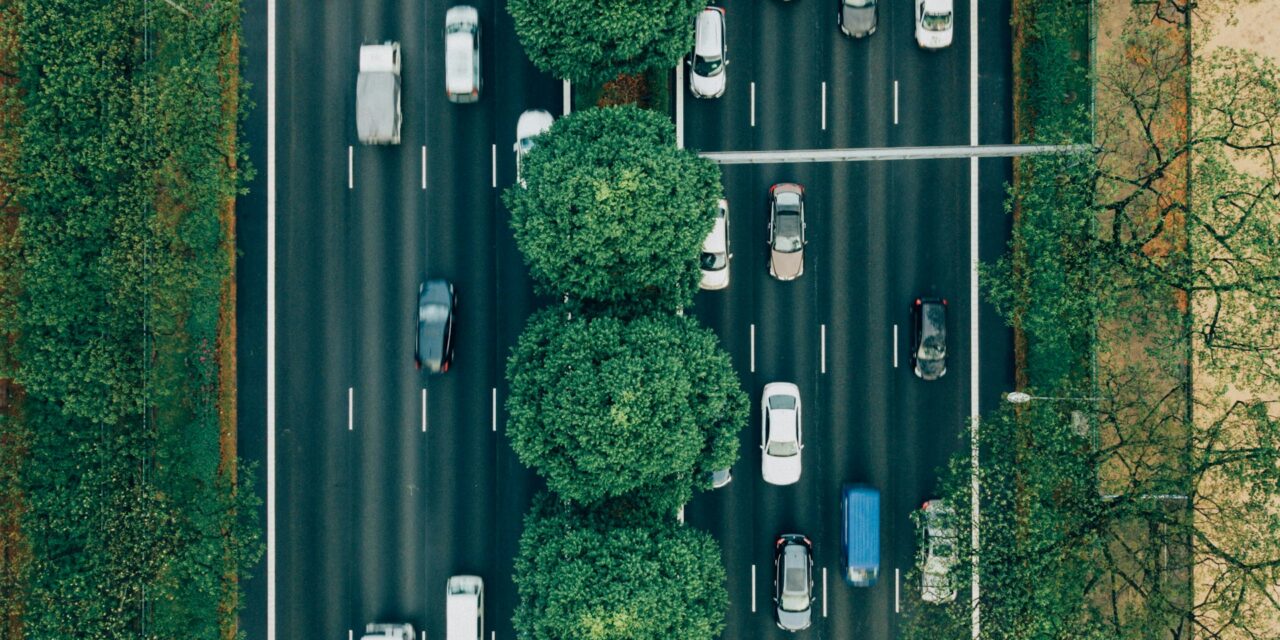
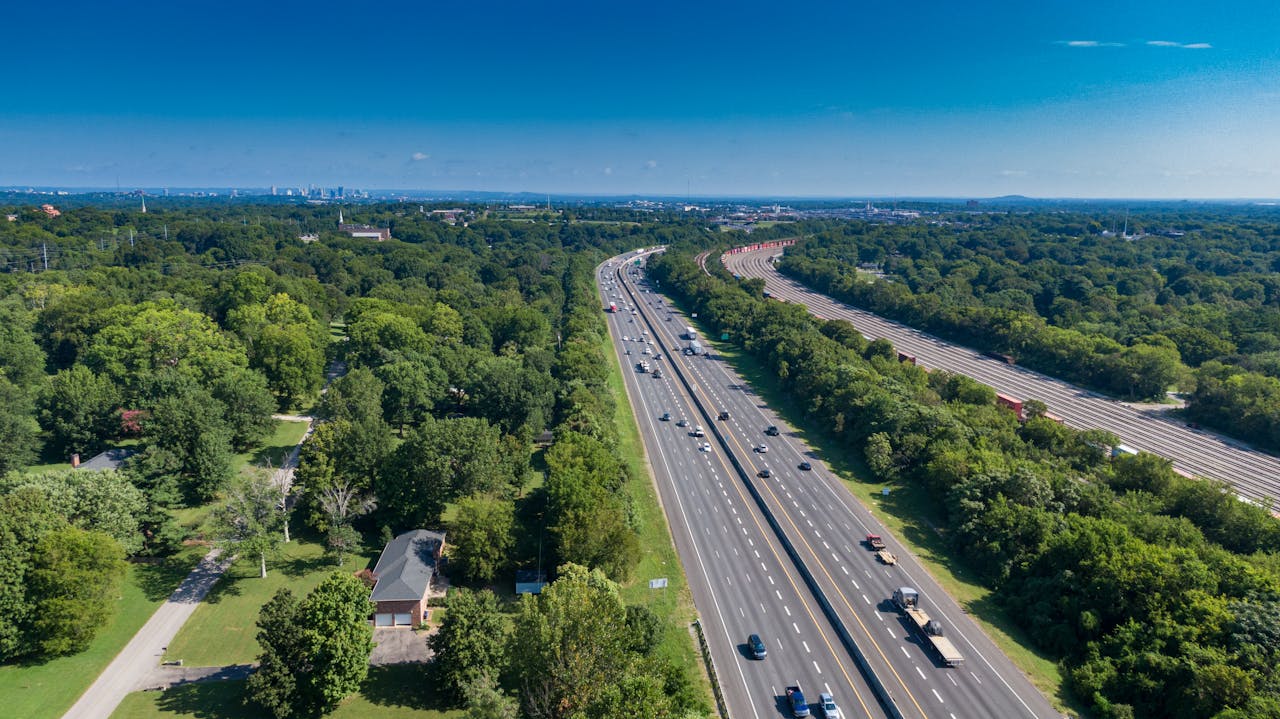
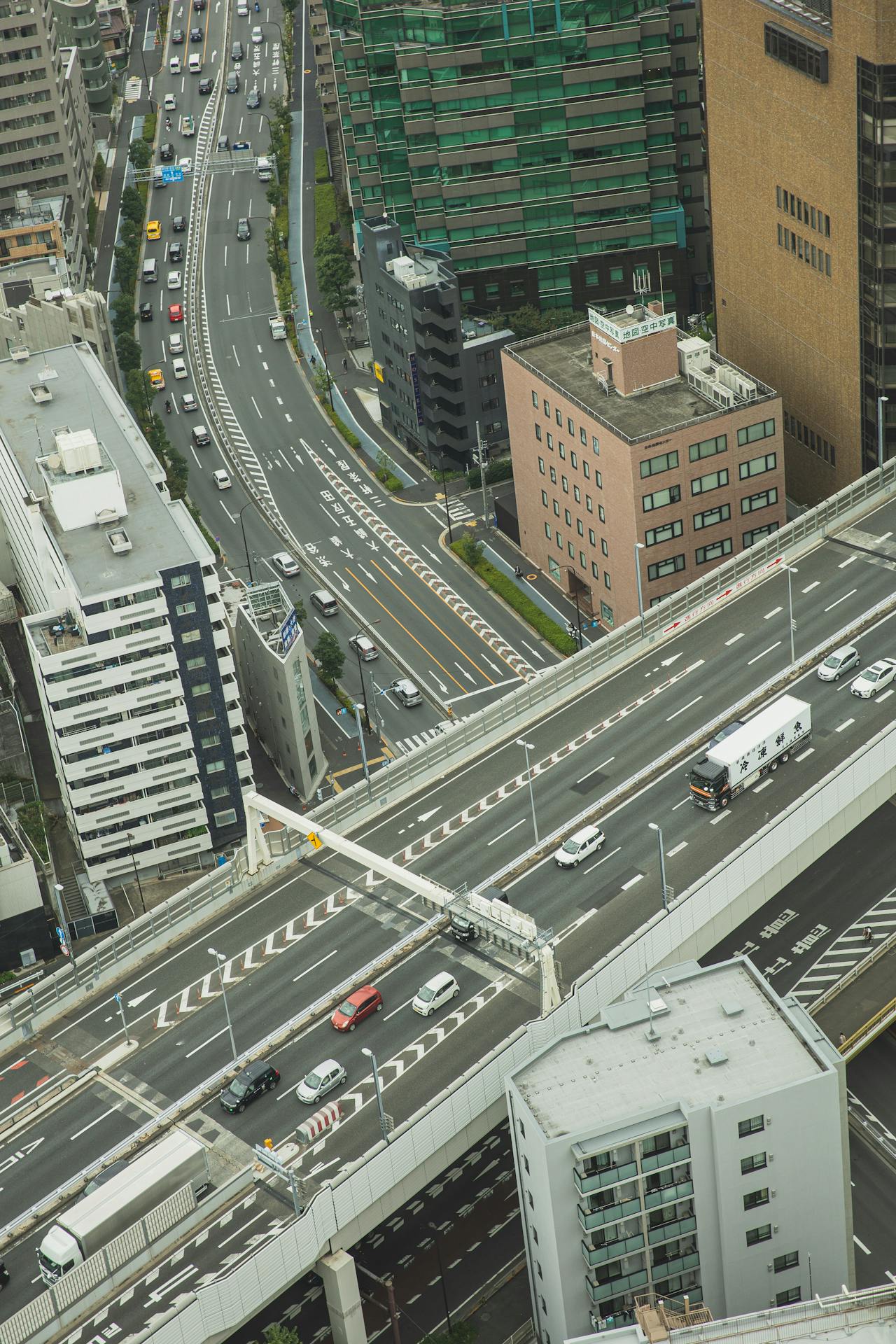
Islamabad, Pakistan’s capital and one of its most planned cities, is taking a bold step into the future of urban governance. In a groundbreaking move to combat growing traffic congestion, reduce violations, and enhance road safety, the Islamabad Capital Territory (ICT) administration has announced the deployment of drones to monitor traffic across the city. This initiative signals a major shift towards smart surveillance and real-time traffic management, placing Islamabad among the modern cities embracing technology-driven solutions for urban challenges.
The Need for Smart Traffic Management
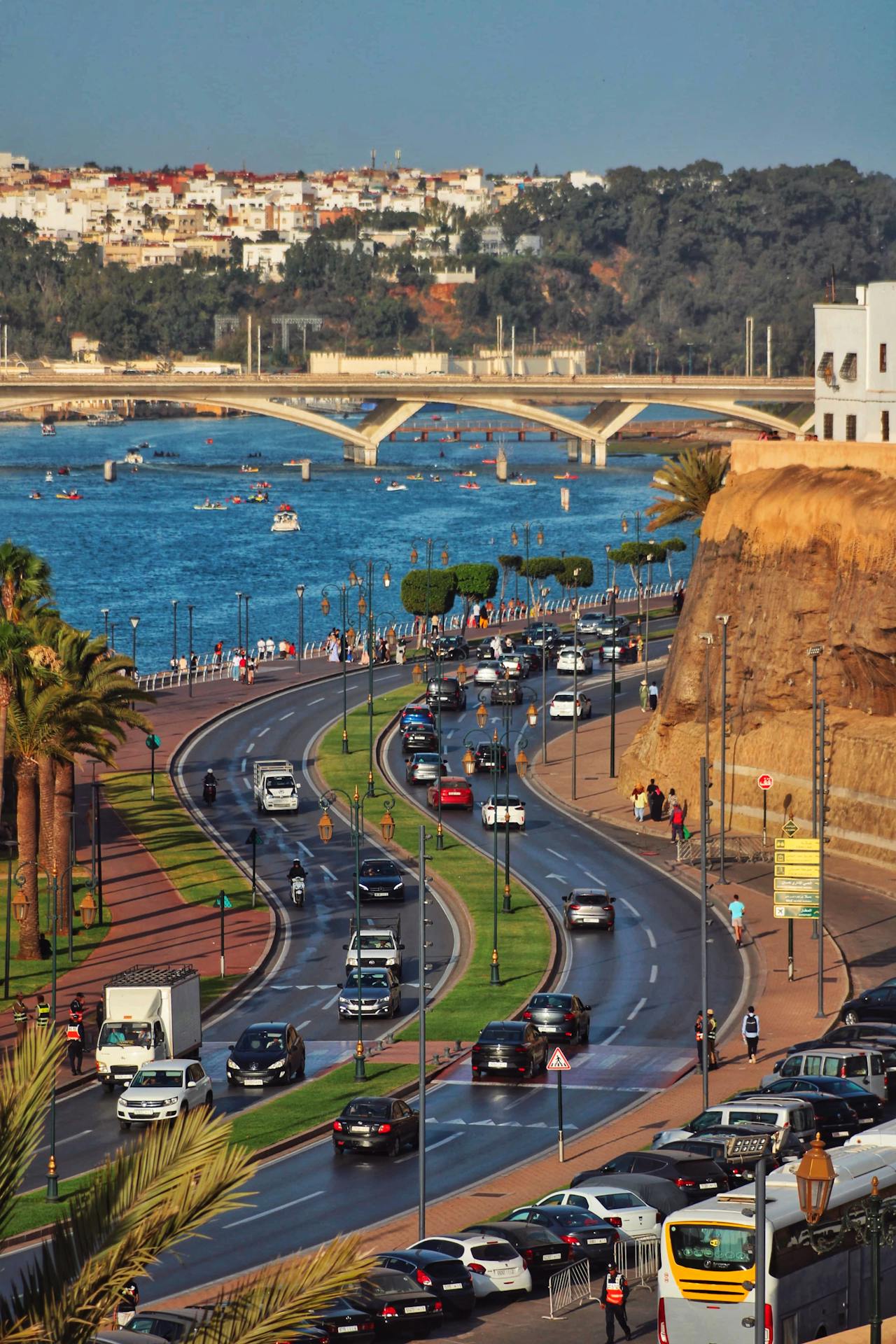
Islamabad has seen a rapid rise in the number of vehicles over the past decade. With increasing urbanization, population growth, and commercial activity, traffic congestion has become a daily frustration for commuters. Key roads such as Srinagar Highway, Islamabad Expressway, and sectors like F-10, G-9, and Blue Area often experience bottlenecks during peak hours.
Traditional traffic monitoring systems — such as CCTV cameras and traffic wardens — have been helpful but limited in scope and effectiveness. Cameras are static and often cover a small area, while on-ground personnel cannot always respond to every situation in real time. This has led to rising concerns over traffic violations, accidents, and road safety.
Recognizing these issues, Islamabad’s administration is now turning to aerial surveillance using drones as an innovative way to fill the gaps in traffic management.
How Will Drones Be Used?
The deployment of drones is being overseen by the Islamabad Traffic Police (ITP) in collaboration with the Capital Development Authority (CDA) and Ministry of Interior. These drones are equipped with high-resolution cameras and advanced video transmission systems that allow for real-time monitoring and data collection.
Key functions of the drones will include:
-
Real-Time Traffic Surveillance
Drones will fly over major roads and intersections to monitor traffic conditions live. This enables traffic police to quickly identify congestion points, stalled vehicles, or accidents and respond faster. -
Violation Detection
The drones can spot traffic violations such as signal jumping, illegal U-turns, wrong-way driving, and lane violations. These visuals can be used as evidence to issue challans (fines) digitally. -
Incident Response and Crowd Control
In case of accidents, protests, or emergencies, drones will help authorities assess the situation from above and guide the deployment of rescue teams, police, or tow trucks. -
Smart Traffic Flow Management
With consistent aerial data, traffic authorities can analyze patterns and make informed decisions about traffic signals, diversions, or road expansions. -
Security and Surveillance Integration
Besides traffic, drones can also contribute to overall security by monitoring large gatherings, events, and high-risk areas in the city. 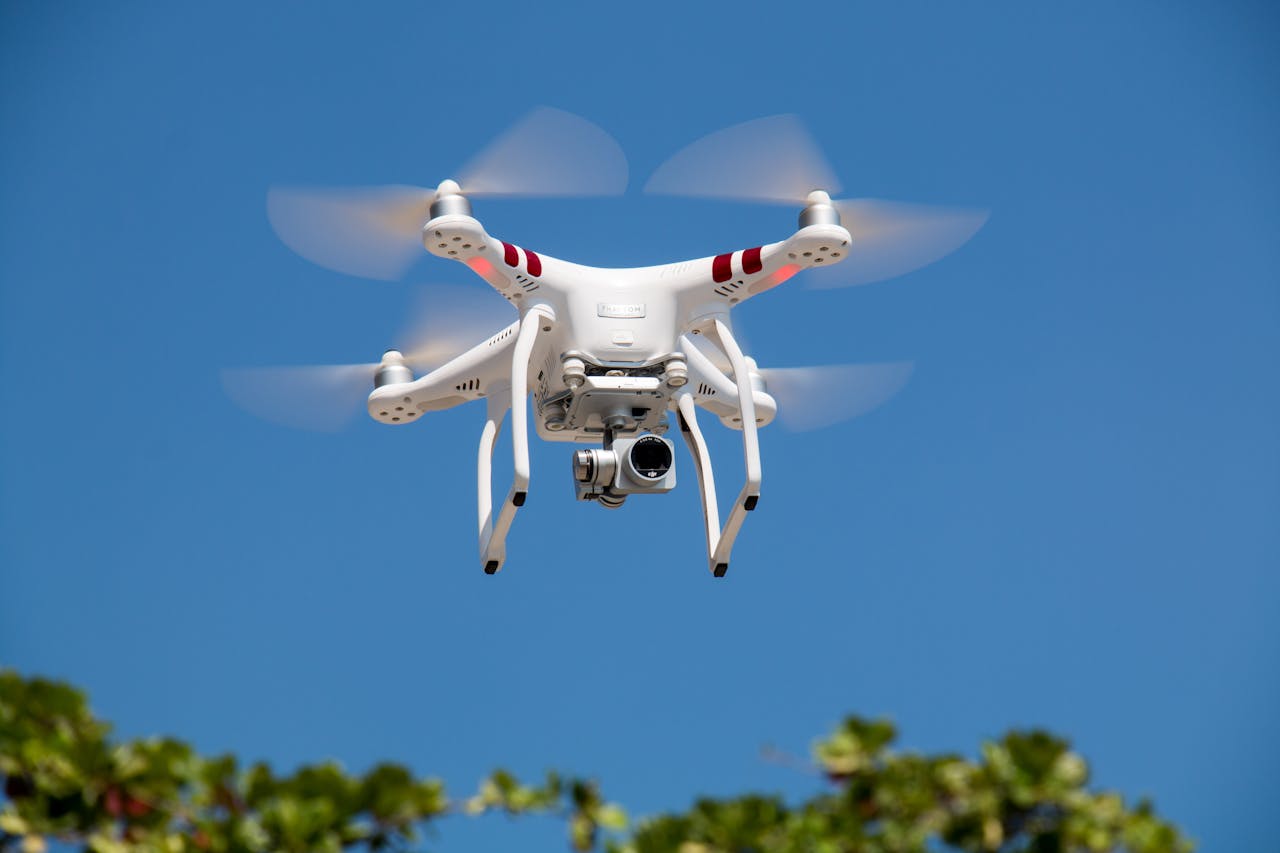
A Model for Other Cities
The use of drones for urban management is not entirely new globally. Cities like Dubai, Singapore, and London have already integrated aerial surveillance in their smart city initiatives. However, for Pakistan, this is a significant leap forward — especially considering the limitations of infrastructure, budget, and coordination across agencies.
Islamabad, with its structured layout and modern civic planning, is ideally suited to pilot such technologies. If successful, this model can be replicated in other major cities like Lahore, Karachi, and Peshawar, where traffic issues are even more severe.
Benefits of Drone-Based Traffic Monitoring
The decision to deploy drones is expected to bring a wide range of benefits:
1. Faster Response Times
Real-time drone footage allows authorities to spot incidents within seconds and deploy the nearest response team, reducing wait times and preventing further gridlock.
2. Enhanced Road Safety
By deterring violations and ensuring better monitoring, the initiative aims to reduce accidents and fatalities. Continuous surveillance also encourages drivers to follow the rules more strictly.
3. Data-Driven Decision Making
Collected footage and analytics will enable better long-term planning of roads, signal timings, and traffic flow. Authorities will be able to identify problem areas and improve urban design.
4. Reduced Dependence on Human Resources
While traffic wardens will still play an important role, drones will reduce the pressure on them and extend the reach of traffic monitoring without adding large personnel costs.
5. Environmental Monitoring
As a bonus, drones may also help in monitoring environmental violations like illegal dumping, encroachments, and smog-related vehicle emissions.
Privacy and Ethical Considerations
While the benefits of drone surveillance are significant, the move has also raised some privacy and ethical questions. Civil society organizations have urged the government to ensure that the drone use is strictly for traffic and security purposes, and that surveillance footage is not misused or leaked.
In response, the Islamabad administration has assured citizens that:
-
Data will be used exclusively for public safety and management.
-
Surveillance zones will be predefined and not include private areas such as residential homes.
-
Proper data protection protocols will be implemented to secure the footage.
Moreover, drone operators will be trained and certified to follow strict operational guidelines in line with Pakistan’s civil aviation and privacy laws.
Challenges and the Way Forward
While the initiative is innovative, several challenges remain:
-
Technical Limitations: Weather conditions such as rain or fog may affect drone performance.
-
Battery Life and Coverage: Drones typically have a limited flight time and range, requiring careful scheduling and charging management.
-
Coordination Among Agencies: Smooth operation will depend on real-time coordination between traffic police, emergency services, and city planners.
-
Public Awareness: Citizens need to be informed about how drones work and their role in improving urban mobility.
To overcome these issues, the government is planning pilot programs, training workshops, and public awareness campaigns.
@who.made.this11 Kids Fashion Show ❤️ Little Princess Fashion Walk #fashion #outfits #trending #viral #princess #ai #followme ♬ original sound – ♡_𝕄𝕊𝕂_♡
Public Reception and Future Potential
Initial public reactions to the announcement have been mixed. Many citizens have welcomed the idea, appreciating the use of modern technology to improve urban life. Social media platforms have seen widespread discussions, with users suggesting additional features like real-time traffic updates to users via mobile apps.
Some have even proposed that drone data be integrated into platforms like Google Maps or the Islamabad Police app to help commuters choose the best routes and avoid traffic hotspots.
In the long term, experts believe that drone-based monitoring could expand into areas such as:
-
Monitoring school zones for student safety
-
Supporting disaster management and flood response
-
Overseeing construction and infrastructure projects
-
Aerial mapping and urban development planning









Must Follow Traffic rules. this is very important