






“Building for the Future: Shehbaz Govt’s Water Security Agenda”

Water security has become one of the most critical challenges facing Pakistan today. With increasing population, climate change, and recurring droughts, the need for improved water management has never been more urgent. In this context, Prime Minister Shehbaz Sharif recently announced a renewed and aggressive push by the government to enhance Pakistan’s water storage capacity. This initiative is being hailed as a timely and vital step towards securing the country’s agricultural, industrial, and domestic water needs.
The Water Crisis in Pakistan
Pakistan ranks among the top 10 most water-stressed countries in the world. According to the Pakistan Council of Research in Water Resources (PCRWR), the country may face absolute water scarcity by 2025 if urgent measures are not taken. The per capita water availability has fallen dramatically from 5,000 cubic meters per year in 1951 to less than 1,000 cubic meters in recent years. This decline is attributed to rapid population growth, poor water infrastructure, mismanagement, and inadequate storage facilities.
Agriculture, which consumes nearly 90% of the country’s water resources, is the backbone of Pakistan’s economy. Without an efficient irrigation system and adequate storage, farmers face huge losses every year due to floods or droughts. Urban areas are also affected by water shortages, especially in cities like Karachi, Lahore, and Islamabad, where water demand often outstrips supply.
PM Shehbaz’s Announcement: A Strategic Priority
Prime Minister Shehbaz Sharif, during a recent address to a national water policy summit, emphasized that enhancing water storage capacity is not just a development issue but a matter of national survival. He announced several key steps the government will undertake to tackle the water crisis:
-
Construction of New Dams and Reservoirs
The premier confirmed that large-scale water infrastructure projects, including the Diamer-Bhasha Dam and Mohmand Dam, are being prioritized and fast-tracked. These dams will add millions of acre-feet to the country’s storage capacity and generate much-needed hydroelectric power. - Rehabilitation of Existing Infrastructure
Many of Pakistan’s existing dams, barrages, and canals are aging and poorly maintained. PM Shehbaz outlined plans to rehabilitate and modernize these assets using advanced technologies and international best practices. -
Promotion of Water Conservation and Efficiency
The government is also launching a nationwide campaign to promote water conservation at household and industrial levels. This includes introducing water-saving irrigation techniques like drip and sprinkler systems in agriculture. -
Public-Private Partnerships
To ensure sustainable development, the government will engage private sector partners and international donors to fund and support water infrastructure projects. -
Legal and Institutional Reforms
PM Shehbaz stressed the importance of reforming water governance. Strengthening institutions like the Indus River System Authority (IRSA) and developing a unified national water policy are key components of the strategy.
Diamer-Bhasha Dam: A Game-Changer
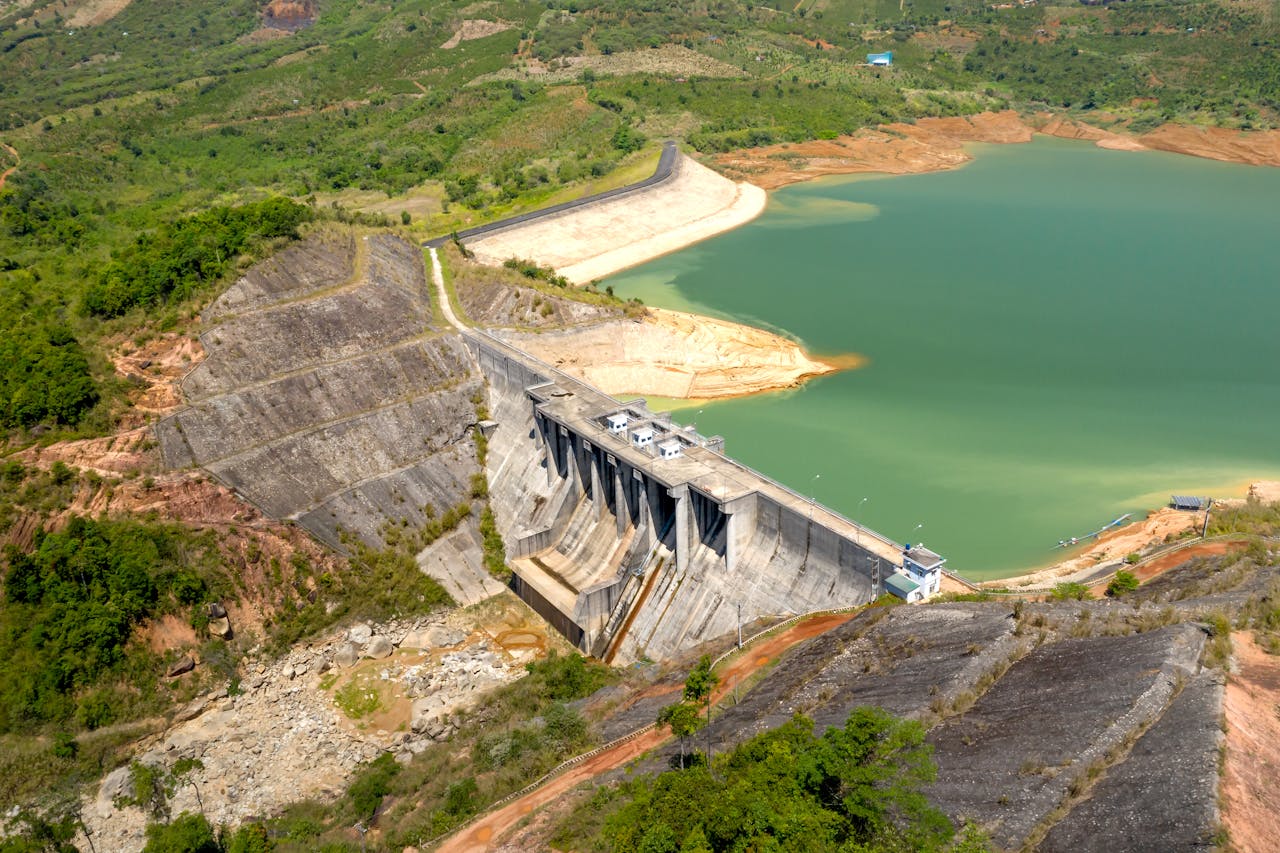
Among the most ambitious projects under the government’s water strategy is the Diamer-Bhasha Dam. Located on the Indus River in Gilgit-Baltistan, the dam is expected to be one of the largest in the region. It will have a storage capacity of 8.1 million acre-feet and a power generation capacity of 4,500 megawatts.
Once completed, it will:
-
Reduce sedimentation in downstream dams
-
Extend the life of the Tarbela Dam
-
Provide flood protection
-
Improve water availability for agriculture in Sindh and Punjab
The project is being jointly funded by the federal government, WAPDA, and various international agencies. Construction work is already underway, and the dam is expected to be operational by the early 2030s.
Addressing Climate Change Challenges
Pakistan is among the countries most vulnerable to climate change. Unpredictable weather patterns, melting glaciers, and frequent floods pose serious threats to water availability. Enhancing water storage is a key adaptation strategy.
PM Shehbaz highlighted how improved storage will help regulate river flows, store excess water during floods, and ensure availability during dry periods. It will also support the country’s renewable energy transition by boosting hydropower capacity, reducing reliance on fossil fuels, and helping meet climate targets.
@thepawsandjoy Part12| Dudi Dudi Dam Dam Dance #viral #Al #kids #kidsoftiktok #babytiktok #cutebaby #babylove #foryou #babydance #cute #hobbies #Animalhobbies #hobbiesforchildren dudi dudi dam dam remix dodi dodi dam dam song @hobbies ♬ original sound – Paws & Joy
International Cooperation and Support
The Prime Minister also mentioned ongoing cooperation with international partners like the World Bank, Asian Development Bank, and China under the China-Pakistan Economic Corridor (CPEC). These partnerships are essential for financing mega-projects, sharing expertise, and adopting innovative water management technologies.
He acknowledged the critical role of countries like Turkey and the Netherlands, known for their advanced water management systems, in helping Pakistan learn and implement efficient solutions.
Grassroots Involvement and Public Awareness
While infrastructure development is crucial, the success of the government’s strategy depends heavily on public participation. PM Shehbaz urged citizens to play their part by conserving water in daily life. Schools and community organizations will be involved in raising awareness about water scarcity, recycling, and rainwater harvesting.
The government plans to introduce educational modules in schools to build water stewardship among the youth. Campaigns through media, mosques, and civil society groups will also promote responsible water usage.
Economic Impact
Improving water storage and management will have a far-reaching economic impact. It will:
-
Increase agricultural productivity
-
Support industrial growth
-
Create jobs through construction and maintenance projects
-
Enhance food security
-
Reduce losses from water-related disasters
Experts estimate that Pakistan loses billions annually due to water mismanagement. Addressing this issue will strengthen macroeconomic stability and boost investor confidence, especially in sectors like agriculture, textiles, and food processing.