


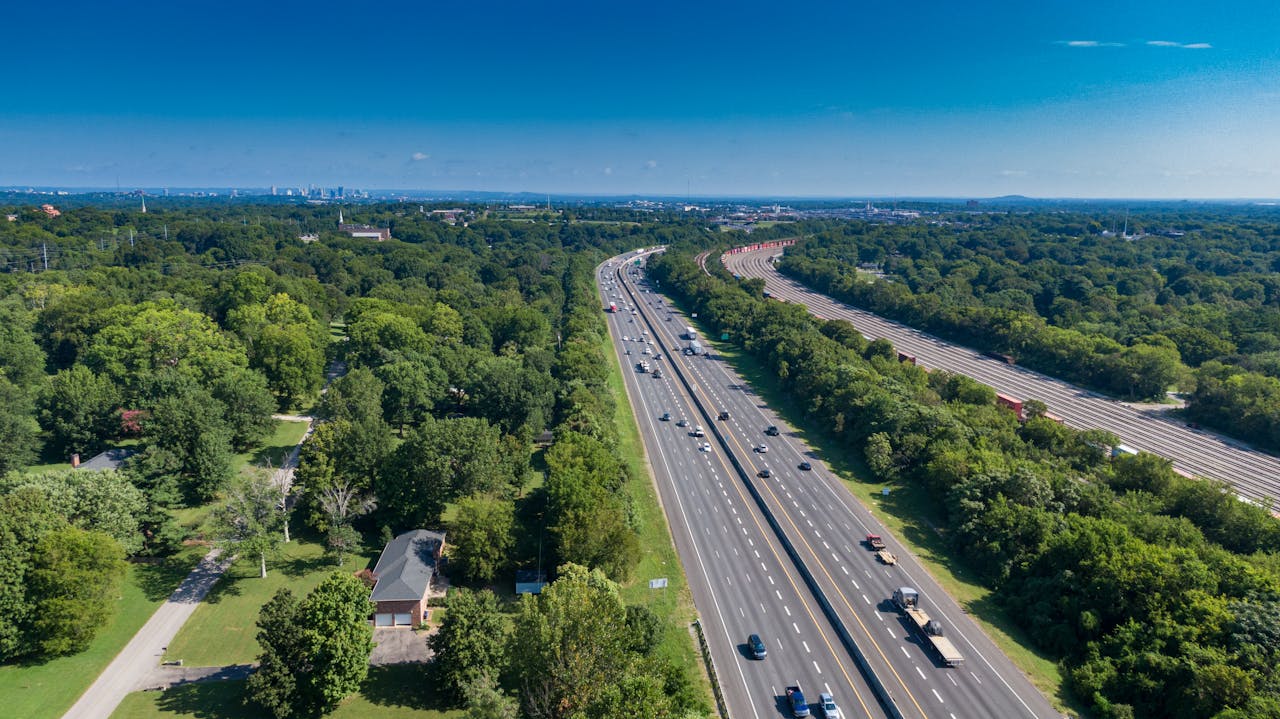


“New Motorways Set to Transform Punjab’s Connectivity”

In a major infrastructure development move, the Government of Pakistan has officially approved two new motorway projects for Punjab, marking a significant milestone in the province’s transport network. These projects are expected to revolutionize connectivity, stimulate economic activity, and enhance regional integration, especially in underdeveloped and high-traffic zones.
The approval was granted by the Executive Committee of the National Economic Council (ECNEC) following detailed evaluations by the Planning Commission and National Highway Authority (NHA). Both projects are part of the broader vision to improve Pakistan’s road infrastructure under the Public Sector Development Program (PSDP) and Vision 2025.
This blog explores the details, importance, and expected impact of these two motorway projects.
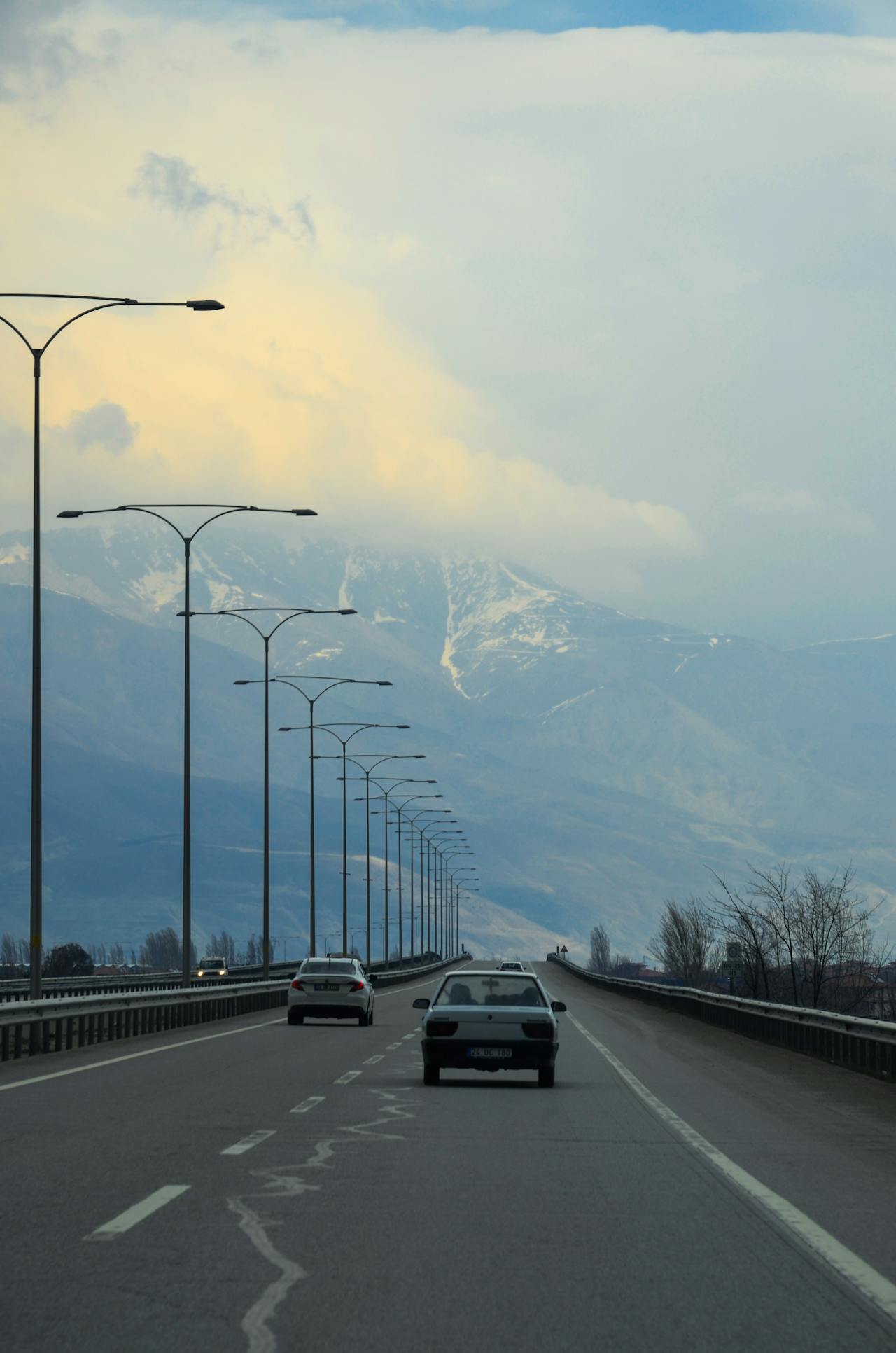
Overview of the Two Approved Motorways
The two newly approved projects include:
1. Kharian–Rawalpindi Motorway
-
Length: Approximately 117 kilometers
-
Estimated Cost: PKR 100+ billion
-
Completion Timeline: 2–3 years
-
Key Route: Will connect Kharian (near Gujrat) to Rawalpindi, bypassing congested GT Road areas
2. Multan–DG Khan Motorway
-
Length: Around 80–90 kilometers
-
Estimated Cost: PKR 70+ billion
-
Completion Timeline: 2–3 years
-
Key Route: Connects Multan to Dera Ghazi Khan, creating direct access between Southern Punjab districts
Both motorways will be constructed under a public-private partnership (PPP) model, with significant funding from government resources and private investors to ensure efficient and timely implementation.
Project 1: Kharian–Rawalpindi Motorway
The Kharian–Rawalpindi Motorway is being termed as a strategic addition to the north-central Punjab road grid. Currently, commuters rely on the busy N-5 (GT Road), which suffers from heavy traffic, slow speeds, and accident-prone zones.
Key Features:
-
4 to 6-lane controlled-access motorway
-
Smart tolling and surveillance system
-
Interchanges at Jhelum, Dina, Sohawa, and Gujar Khan
-
Direct linkage to Rawalpindi Ring Road and onward to M-2
Expected Benefits:
-
Reduced travel time between Kharian and Rawalpindi by up to 1.5 hours
-
Decreased traffic load on the GT Road
-
Economic boost for small cities and towns along the corridor
-
New industrial and logistics opportunities in surrounding areas
This project is particularly important for the Potohar region, which has lagged behind in large-scale infrastructure development. The motorway will not only facilitate business and travel but also aid in defense and strategic mobility given its proximity to military cantonments.
@aqeelkhanpathan1 Islamabad Moterway ❤️🐝🌴✈️🦋#unfrezzmyaccount #viewsproblem💔😔 #islamabadmoterway #peshawarmotorway #aqeelkhanqaldara ♬ original sound – 🇵🇰 پاکستان💟🇵🇰 وفاجانے🇵🇰
Project 2: Multan–DG Khan Motorway
The Multan to DG Khan Motorway project is seen as a game-changer for South Punjab, a region often described as economically underdeveloped despite its agricultural richness.
Key Features:
-
High-speed access route from Multan, Muzaffargarh to DG Khan
-
Interconnections with existing N-70 and future CPEC-related roads
-
Advanced drainage and bridge systems for flood resilience
-
Service areas, fuel stations, and rest stops planned
Expected Benefits:
-
Travel time cut by more than 50%
-
Easier export of agricultural goods like mangoes and cotton
-
Enhanced access to Taunsa Barrage, tribal areas, and Balochistan
-
Boost to local job creation during and post-construction
Multan is already connected to the national motorway grid via M-5 (Multan–Sukkur). This extension towards DG Khan will create a logistics corridor supporting the China-Pakistan Economic Corridor (CPEC) and helping traders connect to Gwadar Port more efficiently.
Economic and Social Impact
These motorway projects are more than just roads — they’re catalysts for economic upliftment and social development.
1. Job Creation
Thousands of direct and indirect jobs will be created, especially for construction workers, engineers, contractors, and local businesses. Employment will also rise in supporting industries like cement, steel, and transport.
2. Agricultural Market Access
Punjab is the breadbasket of Pakistan. These motorways will connect farmers to markets faster and at lower cost, reducing spoilage and increasing profit margins.
3. Industrial Development
Improved access to remote areas encourages investment in small and medium industries, warehousing, and trade centers along the routes.
4. Tourism and Mobility
Enhanced road access to Salt Range, Sutlej River belt, and South Punjab cultural heritage sites will boost domestic tourism.
5. Emergency Services and Healthcare
Faster roads mean better access to hospitals, especially for patients in rural or remote areas. Emergency services such as ambulances and disaster response units can also operate more efficiently.
Political and Administrative Support
Prime Minister Shehbaz Sharif, who has long championed infrastructure development, hailed the approvals as “a step toward connecting people and powering growth.” The Punjab Chief Minister also expressed optimism, stating that these motorways would “bind together regions that have long been separated by time and terrain.”
Both federal and provincial governments are emphasizing transparency, timely execution, and quality control to ensure the projects are completed within budget and on schedule.
Environmental and Safety Considerations
Modern infrastructure must balance development with sustainability. In that regard, both projects include:
-
Environmental Impact Assessments (EIAs)
-
Plantation of trees along the motorways
-
Noise-reducing measures in residential zones
-
Advanced drainage systems to prevent flood-related damage
-
Smart traffic monitoring and emergency response systems
Safety will also be a top priority, with guard rails, overpasses, underpasses, and pedestrian access incorporated into the planning.
Challenges and Concerns
While the outlook is promising, certain challenges need to be addressed:
-
Land acquisition may delay initial progress, especially in densely populated areas.
-
Cost escalations due to inflation and rising fuel/material costs could stretch budgets.
-
Ensuring transparency in tendering and contracting will be crucial to avoid delays or corruption.
The government has promised strict oversight mechanisms and involvement of independent audit bodies to monitor every phase of development.